A home needs insulated garage doors when noticeable temperature swings, rising energy costs, or excessive outside noise start coming directly from the garage. These changes often build up over time, making them easy to overlook until they start affecting daily comfort or monthly utility bills.
Garage door installation with proper insulation becomes a practical, worthwhile solution once these patterns become consistent rather than occasional. Recognizing these warning signs early helps a household address the root cause before it leads to bigger comfort or energy problems down the road.
Why Would a Home Need Insulated Garage Doors?
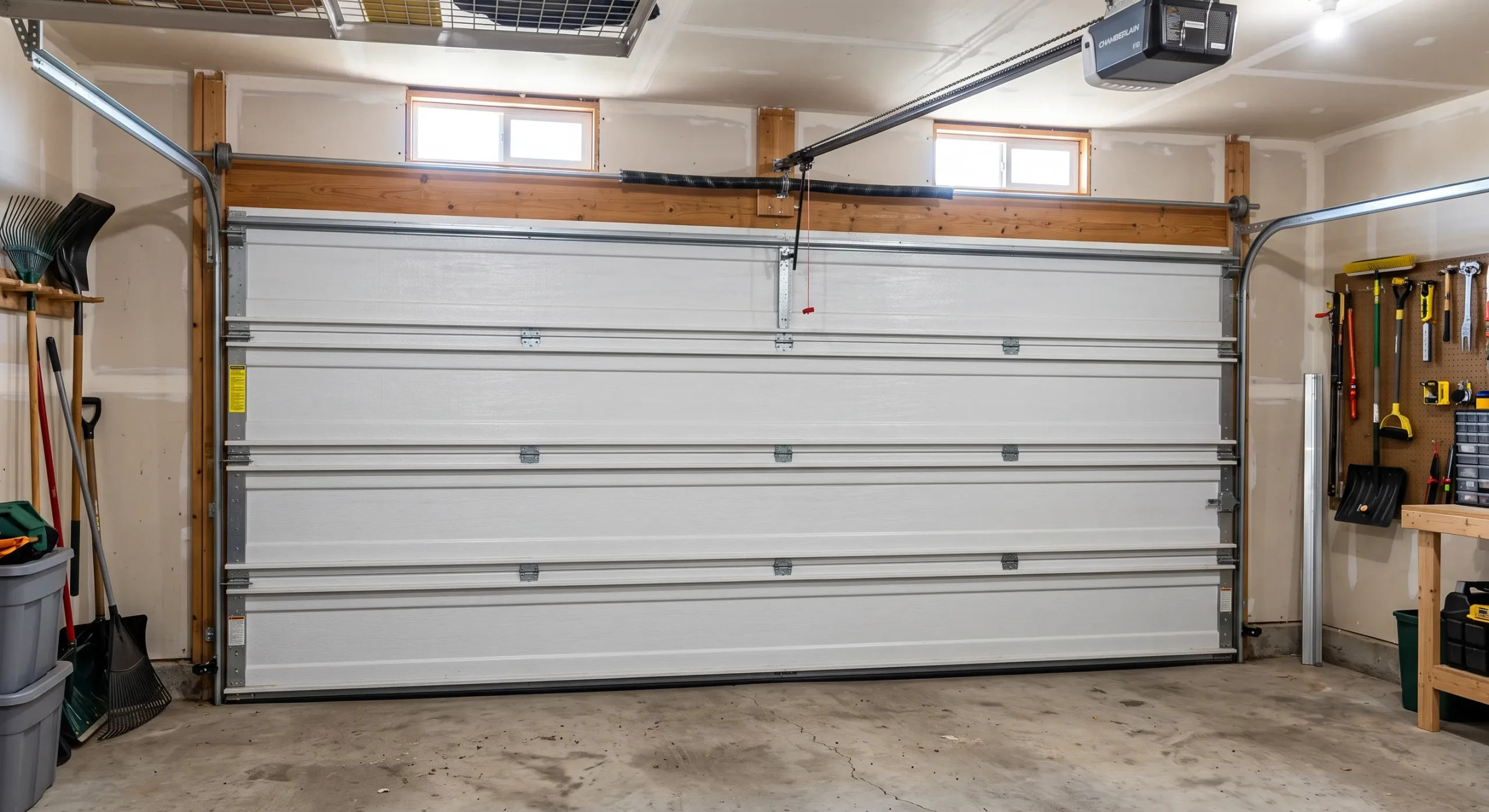
A home needs insulated garage doors when the current door no longer blocks outside heat, cold, or noise, causing the garage and nearby rooms to lose temperature stability and forcing the HVAC system to work harder than it should.
Common reasons a home starts needing insulated garage doors include:
- A single thin metal layer that does not block outside heat or cold
- Rooms above or beside the garage losing stable temperatures
- An HVAC system working harder to cover the heat loss
- Outside noise passing easily through the uninsulated panels
- A hollow, lightweight door with little to no insulating material
To understand how addressing these issues can improve a home’s overall comfort and efficiency, read our guide on Are Insulated Garage Doors Worth It?, which breaks down the real value of upgrading to a properly insulated door.
Signs a Home Needs Insulated Garage Doors
Temperature Fluctuations in the Garage
Outside heat and cold pass through an uninsulated door almost immediately, swinging the garage between extreme temperatures regardless of season.
Common patterns linked to poor temperature control:
- A single-layer metal panel offers no resistance against outdoor heat or cold
- Garage interior temperature matches outdoor conditions within minutes
- Stored paint, electronics, or wood shows warping or cracking from swings
- Metal surfaces inside the garage feel scalding or freezing to the touch
- Heat or cold remains trapped for hours even after the door fully closes
Wide indoor temperature swings remain one of the clearest signals that a garage door offers little resistance against outside conditions.
Rising Energy Costs With No Explanation
A door that fails to block outside air forces nearby rooms and the HVAC system to compensate, which shows up directly on monthly utility statements.
Common reasons energy costs rise without an obvious cause:
- Thin door panel transfers outdoor heat directly into the attached structure
- HVAC system runs longer cycles to offset heat loss through the garage
- Rooms attached to or above the garage need extra heating or cooling
- The thermostat requires constant adjustment to maintain a steady temperature
- Energy use spikes during the same extreme weather months each year
The garage door opener keeps running normally even as insulation fails, so costs often rise without any mechanical warning sign.
The Garage Doubles as a Living or Work Space
A garage used for workouts, hobbies, or projects becomes uncomfortable quickly once outdoor temperatures take over.
Common signs the space struggles with temperature control:
- Low R-value door leaves the space exposed to outdoor temperature extremes
- Power tools or electronics show wear tied to heat and humidity exposure
- Stored wood, fabric, or paper materials warp faster than expected
- A space heater or fan runs for most of the year to keep the area usable
- Garage temperature differs sharply from the connected living areas
A higher R-value door turns this kind of multipurpose space into a usable area regardless of the season outside.
The Door Feels Thin, Light, or Hollow
A hollow, metallic sound when tapping the door usually means little to no insulating material sits between its panels.
Common clues pointing to a hollow door structure:
- Tapping any panel section produces the same hollow, metallic sound throughout
- A flashlight pressed against one side shows light bleeding through to the other
- Lifting the door by hand requires noticeably less effort than expected for its size
- Pressing a hand against the panel transmits the outside temperature almost instantly
- Removing a panel reveals empty space instead of foam filling the cavity
Noticing a hollow panel early on often prompts homeowners to seek garage door repair before the gap in insulation worsens.
Outside Noise Easily Enters the Garage
A door with little sound-dampening material allows street and yard noise to travel straight into the garage and connected rooms.
Common indicators of poor sound insulation:
- Single-layer panel construction offers minimal sound-blocking mass
- Conversations or music from outside sound unusually close
- Door operation produces excessive rattling or banging on its own
- Lawn equipment or traffic noise from nearby properties carries through clearly
- Passing vehicles create a faint vibration felt through the door surface
Higher-density insulation materials packed inside a door panel block far more outside noise than a thin, hollow layer ever can.
Damaged or Inadequate Weatherstripping
Visible daylight along a closed door’s edges usually means worn seals no longer block outside air the way they should.
Common signs of weatherstripping failure:
- Bottom seal has flattened, cracked, or pulled loose from the door’s base
- Side weatherstripping no longer sits flush against the track or frame
- Top seal gaps away from the header, letting air pass above the door
- Vinyl or rubber strips feel brittle or stiff instead of pliable
- Corner joints where seals meet show visible separation or curling
Checking seals regularly for cracks, gaps, or stiffness is one of the most overlooked tasks in routine garage door maintenance.
How Poor Garage Door Insulation Affects Energy Efficiency
A home’s energy efficiency depends on how well the garage door resists heat transfer, since a thin panel forces the HVAC system into longer, costlier cycles.
Common ways poor insulation drains energy efficiency:
- Thin metal panels let outdoor heat and cold pass through with little resistance
- HVAC system runs longer cycles to compensate for constant heat transfer
- Attached rooms near the garage lose temperature stability throughout the day
- Energy costs climb steadily during the peak summer and winter months
- Thermostat settings need frequent adjusting just to maintain comfort
To explore how a properly insulated door actively regulates indoor climate, read our guide on How Insulated Garage Doors Regulate Indoor Temperature, which breaks down the mechanics behind consistent year-round comfort.
What to Do After Spotting the Warning Indicators
A few practical checks can help confirm whether a garage door’s insulation, seals, or structure is causing the problem before deciding on the next steps.
Practical steps to take after spotting the warning signs:
- Inspect weatherstripping around the door for gaps, cracks, or wear
- Track energy bills against past months to confirm an unusual pattern
- Note how the garage feels across different seasons and times of day
- Check the door panels for hollow sound or visible damage
- Get a professional opinion on insulation type and replacement options
These quick checks help narrow down whether the fix involves simple maintenance or a full insulation upgrade.
What Happens When the Issue Is Left Unaddressed
An uninsulated garage door rarely resolves on its own, since the strain it places on comfort and energy use tends to build steadily over time.
What tends to happen when the issue continues:
- HVAC systems wear down faster from constant overcompensation
- Energy bills climb higher with each passing season
- Rooms near the garage stay uncomfortable despite thermostat changes
- Stored items face ongoing damage from temperature extremes
- The door’s own materials degrade faster under repeated temperature stress
Delaying repairs almost always costs more in the long run than addressing the issue as soon as the first signs appear.
How a Professional Diagnoses and Fixes Garage Door Insulation Problems
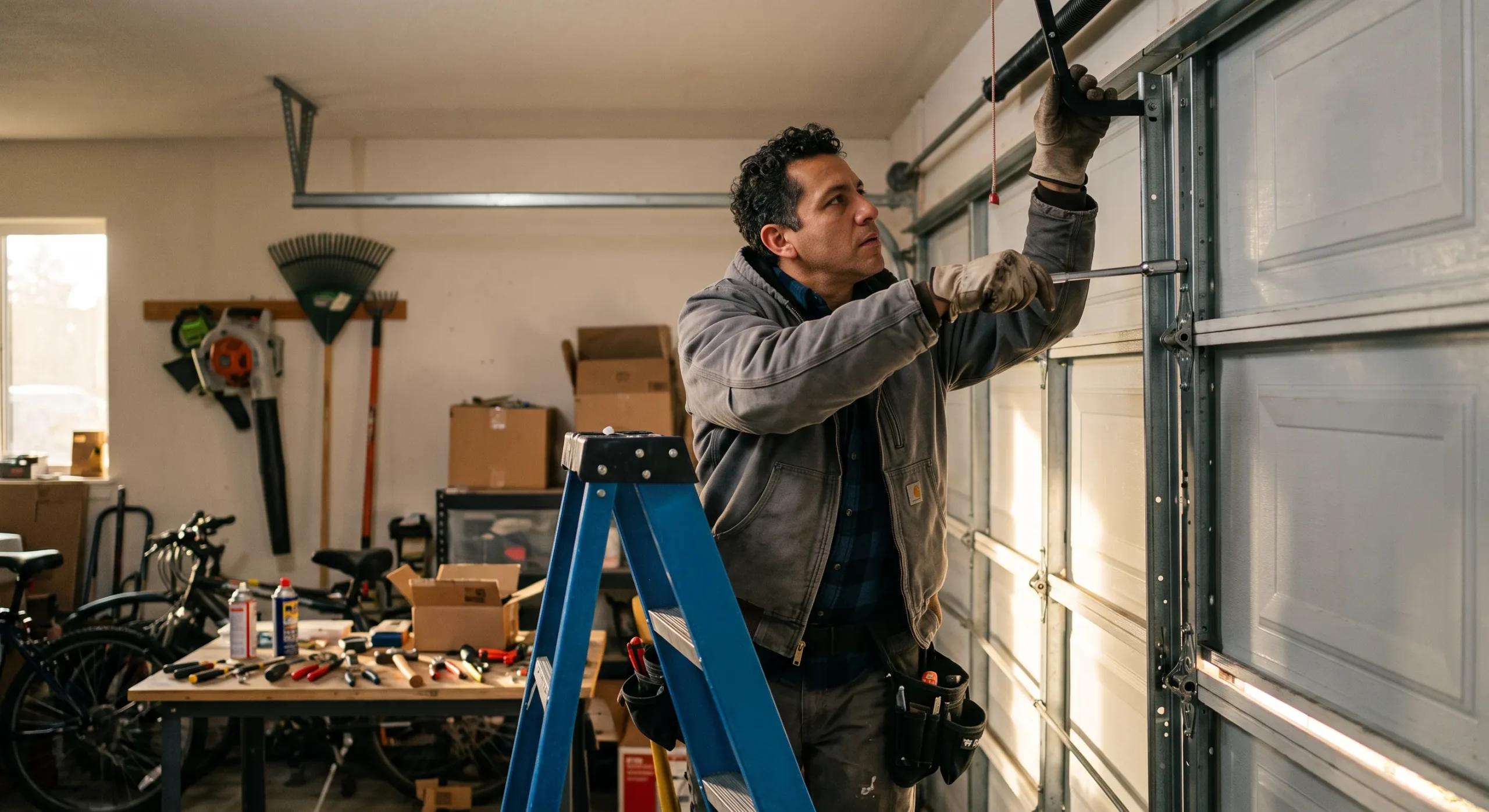
A trained technician evaluates the door’s insulation, seals, and structure as a complete system rather than treating each symptom in isolation.
What a professional typically checks and addresses:
- Current insulation type and whether it still meets the home’s needs
- Weatherstripping condition around the entire door frame
- Panel structure for hollow spots or hidden damage
- Door’s R-value compared to the recommended levels for the climate
- Best repair or replacement option based on the home’s layout
To break down whether an insulated door truly outperforms a standard one in daily use, read our guide on Are Insulated Garage Doors Better Than Non-Insulated Ones?, which compares both options side by side.
Spot the Signs Early and Save on Costly Energy Bills
A garage door that feels hollow, leaks air, or struggles to hold a steady temperature throughout the day rarely fixes itself over time. Recognizing these warning signs early helps a home maintain comfort year-round while keeping monthly energy bills from climbing unnecessarily.
Royale Garage Door Service evaluates homes across Mission Viejo for these exact warning signs and helps homeowners choose the right insulated garage door for their specific needs and budget. Contact us or give us a call today, and let our team determine what your garage needs to perform at its best for years to come.