Insulated garage doors perform better than non-insulated ones in most home settings, and the gap in performance becomes clear once the construction and real-world results of each type are compared. The materials, layering, and thermal design of each door directly affect how the garage handles temperature, noise, and long-term wear.
Choosing the wrong door type before a garage door installation means living with the consequences for years, from rising energy bills to uncomfortable indoor temperatures and premature hardware failure. Understanding what separates these two door types makes it possible to avoid a costly replacement down the line.
Why Knowing the Difference Matters Before Buying a Garage Door
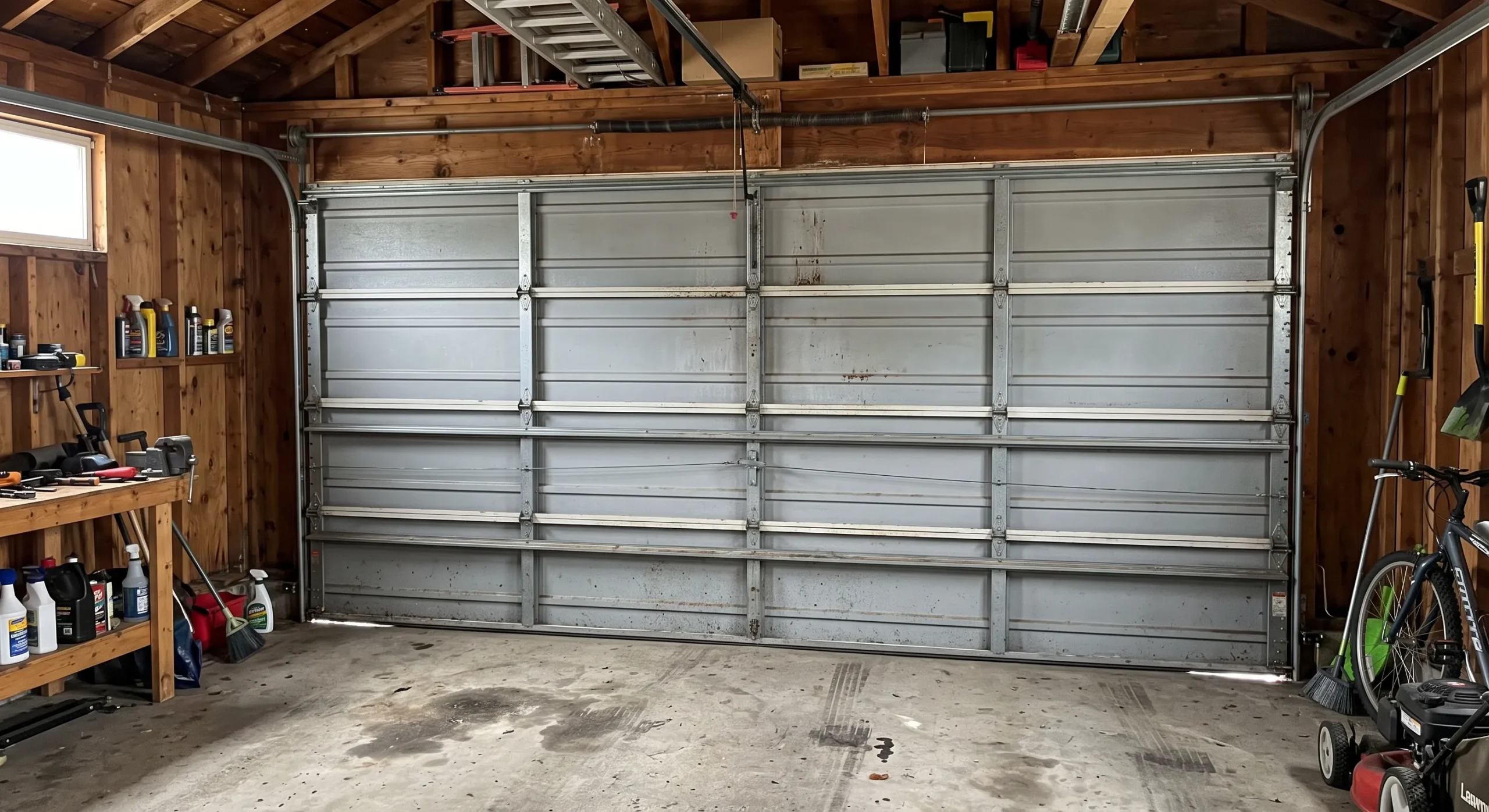
Buying a garage door without understanding the difference between insulated and non-insulated options leads to mismatched performance, unnecessary expenses, and hardware issues that are difficult to reverse once the installation is complete.
Reasons why this knowledge matters before making a purchase include:
- The wrong door type causes poor performance that lasts for decades
- Missing insulation allows heat transfer directly into the home’s living space
- Insulation level determines how comfortable and usable the garage space feels
- Door weight differences require the opener and springs to match the door type
- Understanding both options makes it easier to choose a door that fits the home
To evaluate whether the performance advantages of an insulated door justify the investment, read our guide on Are Insulated Garage Doors Worth It?, which breaks down the full value of upgrading from a non-insulated door.
Key Differences Between Insulated and Non-Insulated Garage Doors
Insulated garage doors and non-insulated doors may look similar from the outside, but their construction and performance tell a very different story.
Feature | Insulated | Non-Insulated |
Construction | Multi-layer steel-foam-steel | Single-layer steel or aluminum |
Thermal Resistance | High R-value, blocks heat transfer | No R-value, allows heat flow freely |
Noise Reduction | Foam core absorbs vibrations and sound | Thin panels pass sound through easily |
Durability | Rigid, dent-resistant panels | Flexible, more vulnerable to dents |
Weight | Heavier, requires stronger hardware | Lightweight, works with standard openers |
Upfront Cost | Higher initial investment | Lower initial investment |
Energy Savings | Reduces energy bills over time | No impact on energy costs |
A closer look at each category below shows how these differences affect real-world performance in the home:
Energy Efficiency and Temperature Control
Garage door insulation builds a thermal barrier that blocks heat transfer and keeps indoor temperatures stable year-round.
Ways insulation directly affects energy efficiency include:
- Insulated: Multi-layer steel-foam-steel construction blocks heat transfer, supports higher R-values, and keeps attached garages comfortable enough to use as a workspace or gym
- Non-Insulated: Single-skin steel or aluminum construction offers no thermal resistance, allowing outside temperatures to pass freely through the panel and affect adjacent rooms
To see exactly how an insulated door manages heat and cold inside the garage, read our guide on How Insulated Garage Doors Regulate Indoor Temperature, which covers the full process behind temperature control and energy performance.
Noise Reduction
Foam insulation inside a garage door absorbs vibrations and outside sounds that pass straight through a single-layer panel.
Patterns that show how door construction affects noise levels include:
- Insulated: The foam core absorbs mechanical vibrations and outside sounds, reducing noise from street traffic, lawn equipment, and neighborhood activity during every open and close cycle
- Non-Insulated: Thinner and lighter single-layer panels allow external sounds to travel freely into the garage and offer little resistance to noise pollution from the surrounding environment
Regular garage door maintenance including lubrication and weatherstripping checks preserves the noise reduction performance of an insulated door.
Durability and Dent Resistance
Multi-layer steel construction with bonded insulation gives insulated doors a structural rigidity that single-layer non-insulated doors cannot match.
Key ways construction affects long-term durability include:
- Insulated: Steel on both the interior and exterior surfaces with bonded foam creates rigid panels that resist dents from bikes, sports equipment, vehicle contact, and strong wind pressure
- Non-Insulated: Single-skin construction is lightweight and flexible, making panels more vulnerable to dents, bending, and warping under impact or extreme temperatures
Inspecting panels regularly for visible damage helps identify when garage door repair is needed before the door’s structural integrity becomes a bigger concern.
Cost and Installation
Upfront cost is the biggest separator between these two door types, and the average cost may depend on door size, material grade, and installation.
Factors that affect the total cost of each door type include:
- Insulated: Higher upfront cost reflects the multi-layer construction and insulation materials involved, but long-term energy savings and durability make it a smart investment for attached garages
- Non-Insulated: Lower upfront cost and simpler construction make it a budget-friendly option, though the absence of a garage door insulation kit means no thermal or noise benefits are included
Weighing the upfront cost against the long-term energy savings helps homeowners determine which door type delivers more value for their specific situation.
Weight and Opener Strain
An insulated door’s added weight directly affects how much lifting power the garage door opener needs and how the supporting hardware must be configured.
Ways that door weight affects the overall garage door system include:
- Insulated: Heavier multi-layer construction requires a more powerful opener motor and properly tensioned garage door springs to handle the added load smoothly and consistently
- Non-Insulated: Lightweight single-layer panels place less daily strain on the opener motor and springs, making them easier to operate with standard or smaller opener units
Verifying opener horsepower and spring tension before installation ensures the entire system handles the door’s weight as intended.
Which Garage Door Type Actually Performs Better?
Insulated garage doors outperform non-insulated ones in most categories, though the best option depends on how the garage is used.
Category | Insulated | Non-Insulated |
Temperature Control | Maintains consistent indoor temperatures | Allows outside temperatures to pass freely |
Noise Reduction | Foam core absorbs vibrations and outside sound | Thin panels allow sound to travel through easily |
Durability | Rigid multi-layer panels resist dents and warping | Flexible single-layer panels dent and bend more easily |
Energy Bills | Reduces strain on HVAC and lowers energy costs | No impact on energy efficiency or energy bills |
Curb Appeal | More refined designs improve home value | Basic appearance with limited style options |
Best For | Attached garages with regular use | Detached garages with minimal use |
For most attached residential garages, the benefits of an insulated garage door make it the stronger long-term investment.
How to Choose the Right Garage Door for a Home
Choosing the right garage door comes down to understanding how the garage is used and what the home actually needs.
Steps to finding the right garage door for a home include:
- Check if the garage is attached or detached to determine the right insulation level
- Consider local climate and how extreme temperatures affect the garage year-round
- Evaluate daily garage use to decide how much insulation and comfort is needed
- Review energy bills to see if the current door is affecting household energy costs
- Weigh the upfront cost of each door type against expected long-term energy savings
To identify whether the current door is already showing signs of poor performance, read our guide on Signs a Home Needs Insulated Garage Doors, which outlines the most common indicators that an upgrade is needed.
How a Garage Door Professional Can Help With the Decision
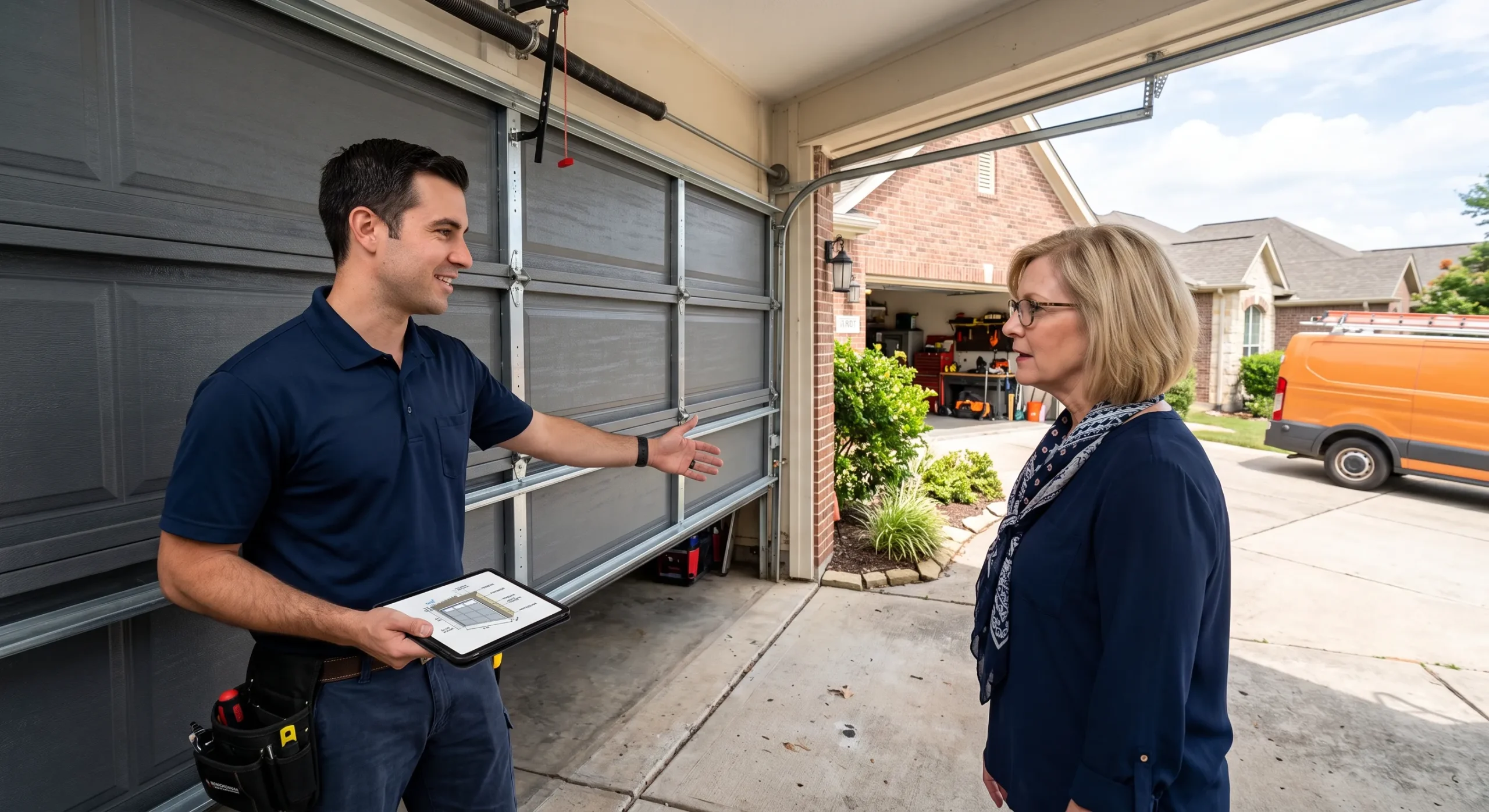
A trained garage door professional brings the hands-on experience needed to match the right door to the home from the start.
Ways a professional adds value to the decision include:
- Assesses the garage setup to identify which door type fits the home
- Explains insulation types and which performs better for the local climate
- Verifies whether existing opener and springs can support an insulated door
- Provides transparent cost estimates covering door type, insulation grade, and hardware
- Ensures correct installation and sealing for maximum thermal and noise performance
Working with a reputable company guarantees the final choice delivers the greatest comfort and long-term performance the door was built to provide.
Choose the Garage Door That Outperforms and Outlasts
Insulated garage doors consistently outperform non-insulated ones in energy efficiency, noise reduction, and long-term durability across most home setups. Understanding the differences between both door types makes it possible to choose a door that delivers real, lasting value for the home.
Royale Garage Door Service knows that choosing between insulated and non-insulated garage doors is a decision that affects the home’s comfort, energy costs, and long-term performance. Contact us or give us a call today and let our team help find the right garage door that fits the home’s specific needs and budget.