Insulated garage doors regulate indoor temperature by using a layer of foam insulation between two door skins to slow the transfer of heat and cold through the door panel. This construction keeps the garage at a more stable temperature rather than shifting with the outside weather, as an uninsulated door does.
The type of insulation used, the thickness of the foam core, the quality of the garage door installation, and the condition of the weatherstripping around the frame all affect how well this regulation works. This guide breaks down each of these factors in detail to show exactly how that performance is achieved in a real garage.
What Causes Temperature Swings in an Uninsulated Garage?
A garage experiences temperature swings when its door allows outside heat or cold to pass through with little resistance, leaving the space and nearby rooms unable to maintain a stable indoor temperature throughout the day.
Factors that explain why this happens include:
- Thin door panels allow heat to pass through the garage fast
- Frame gaps let outside air move freely in and out
- Direct sunlight heats uninsulated panels and radiates that heat inward
- Single-layer steel keeps the garage temperature close to outdoor conditions
- Worn weather seals let conditioned air escape from the garage
To understand how these issues factor into the bigger picture of upgrading a garage door, read our guide on Are Insulated Garage Doors Worth It?, which covers everything homeowners need to make a confident purchase decision.
How Insulated Garage Doors Are Built to Hold Heat and Cold
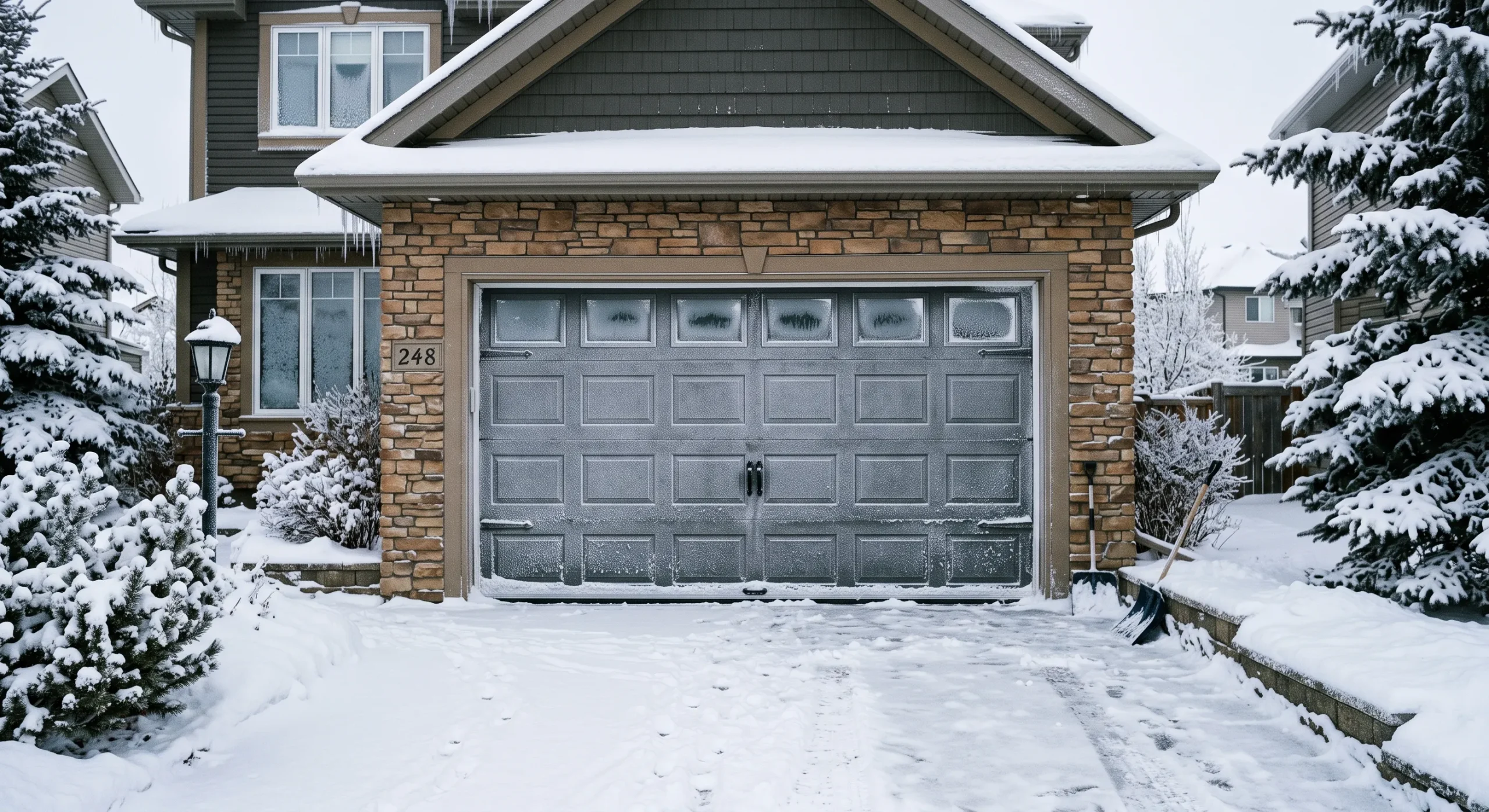
Insulated garage doors retain heat and cold through layered construction, using durable skins around a dense foam core to resist heat and cold transfer.
Component | Function |
Exterior and interior skins | Steel, aluminum, or fiberglass layers that protect the foam core |
Polyurethane foam | Injected core material that bonds tightly and resists heat transfer |
Polystyrene boards | Lighter foam alternative used in some insulated doors |
R-value | Measures how well the door blocks outside temperatures |
Climate-suited materials | Foam types chosen to match warm, dry conditions like those in Mission Viejo |
Layered construction like this gives an insulated garage door the ability to manage temperature rather than simply block the weather from view.
How Insulated Garage Doors Regulate Indoor Temperature
Multi-Layer “Sandwich” Construction
Three bonded layers give an insulated garage door its ability to slow heat and cold from passing straight through the panel.
Layer functions that support this process include:
- Exterior steel skin absorbs outdoor heat before it reaches the core
- Foam core sits between both skins as the main barrier against transfer
- Interior skin adds a second layer of resistance facing the garage
- Bonded seams close gaps where heat could otherwise pass through freely
- Panel thickness adds to the overall resistance built into the door
Damaged seams or panels often need garage door repair before the layered construction can resist heat transfer the way it was built to.
Slowing the Heat Exchange Process
Foam insulation between the door skins changes how fast summer heat or winter cold reaches the inside of the garage.
Seasonal effects tied to this layer include:
- Direct sunlight heats the exterior skin without transferring inward as fast
- Indoor warmth stays trapped longer through cold winter nights
- Surface temperature outside can run high while the interior stays cooler
- Garage temperature holds steadier across both summer and winter months
- Heat absorbed during the day releases more slowly once the sun goes down
A garage door opener straining against heat-expanded materials can also signal the heat exchange affecting more than temperature alone.
Thermal Breaks and Weather Stripping
Small sealing details like thermal breaks and weather stripping affect how much insulation performance a door actually delivers.
Sealing features that support temperature control include:
- Continuous joints between steel sections block metal-to-metal heat transfer
- Bottom seals close the gap between the door and the garage floor
- Side seals stop drafts from entering around the door frame
- Top seals prevent air movement where the door meets the header
- Worn seals lose their grip over time and let air pass through again
Scheduled garage door maintenance keeps these seals intact so insulation performance does not decline unnoticed.
Creating a Buffer for Attached Homes
Shared walls between a garage and nearby living space respond directly to how well the garage door manages temperature.
Buffer effects that benefit attached homes include:
- Bedrooms or laundry rooms near the garage hold steadier temperatures
- Shared walls face smaller temperature shifts throughout the day
- Indoor comfort stays more consistent in rooms next to the garage
- Energy use drops slightly as nearby rooms need less heating or cooling
- Adjacent rooms feel less impact from extreme outdoor temperature swings
Nearby rooms absorb a smaller share of the outdoor temperature swing once the garage door performs this function well.
How Does Installation Affect Garage Door Insulation Performance?
Installation quality determines whether an insulated garage door delivers its full insulating value or loses performance through gaps and misalignment.
Installation factors that affect insulation performance include:
- Panel alignment that closes gaps where heat could otherwise pass through
- Weather stripping fitted tightly to block drafts at the frame and floor
- Spring tension balanced correctly so the door sits and seals evenly
- Professional setup matched to the specific insulation type inside the door
- Post-installation checks that catch gaps before they affect performance
A properly installed door protects every layer of insulation built into it, while a poor installation undermines that same construction from the start.
Signs Garage Door Insulation Is Working Properly
Garage door insulation shows its effectiveness through noticeable changes in temperature, airflow, and overall comfort inside the space.
Signs that point to insulation working as intended include:
- Garage temperature stays noticeably closer to indoor comfort levels
- Drafts near the door’s edges become harder to detect
- Condensation on the door’s interior surface appears less often
- Nearby rooms experience smaller temperature shifts throughout the day
- Energy bills show a gradual drop tied to reduced heating or cooling
To recognize when these signs point toward a bigger underlying issue, read our guide on Signs a Home Needs Insulated Garage Doors, which breaks down the specific indicators that call for an upgrade.
Benefits of Better Temperature Regulation From Insulated Garage Doors
Better temperature regulation from an insulated garage door creates benefits that reach beyond the garage itself, from energy savings to long-term durability.
Benefits tied to improved temperature regulation include:
- Lower strain on the home’s HVAC system from shared-wall heat transfer
- Reduced energy bills as nearby rooms need less heating or cooling
- Noise reduction from outside traffic, lawn equipment, and daily activity
- Better resistance to wear, dents, and warping over time
- Stronger curb appeal and home value tied to updated, insulated doors
To weigh these benefits against the differences between insulated and non-insulated doors, read our guide on Are Insulated Garage Doors Better Than Non-Insulated Ones?, which breaks down which option fits a home’s specific needs.
Keep Insulated Garage Doors Regulating Temperature for Years to Come
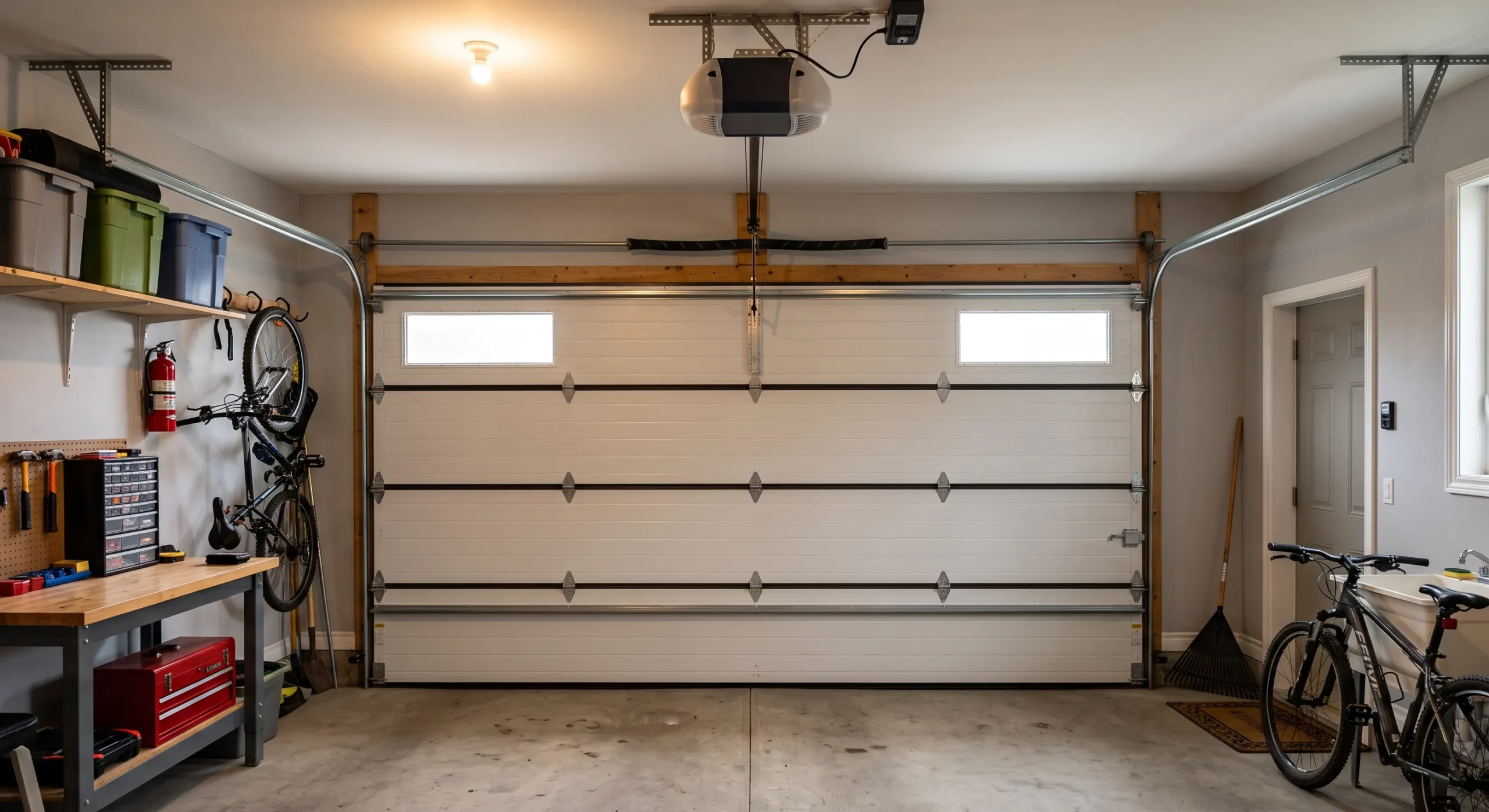
Insulated garage doors regulate indoor temperature through layered construction, sealed edges, and proper installation, working together to resist heat and cold. Checking these components regularly and acting on small issues early keeps the regulation performing the way the door was originally built to.
Royale Garage Door Service helps Mission Viejo homeowners maintain the insulation performance built into their garage doors through honest inspections and accurate diagnostics. Contact us or give us a call today, and let our team assess what your door needs to keep its temperature regulation performing at its best.