Preventing a garage door from shaking when closing comes down to a short list of scheduled habits, including seasonal lubrication, hardware checks, and routine track cleaning. Each habit targets a different point of wear before it turns into a noticeable problem during closing.
A consistent schedule keeps small issues from building up between visits, which is exactly where most shaking problems start. Regular garage door maintenance plays a central role in this approach, alongside a few environmental factors worth watching throughout the year.
Key Takeaways
- Seasonal lubrication prevents the friction that leads to a shaky door
- Temperature swings affect grease consistency and metal parts differently across the year
- Hardware checks on a schedule catch loose bolts before they cause noticeable shaking
- Early signs of roller wear are easier to address before they worsen
- A yearly professional tune-up finds issues a homeowner routine might miss
Habits That Keep a Garage Door From Shaking
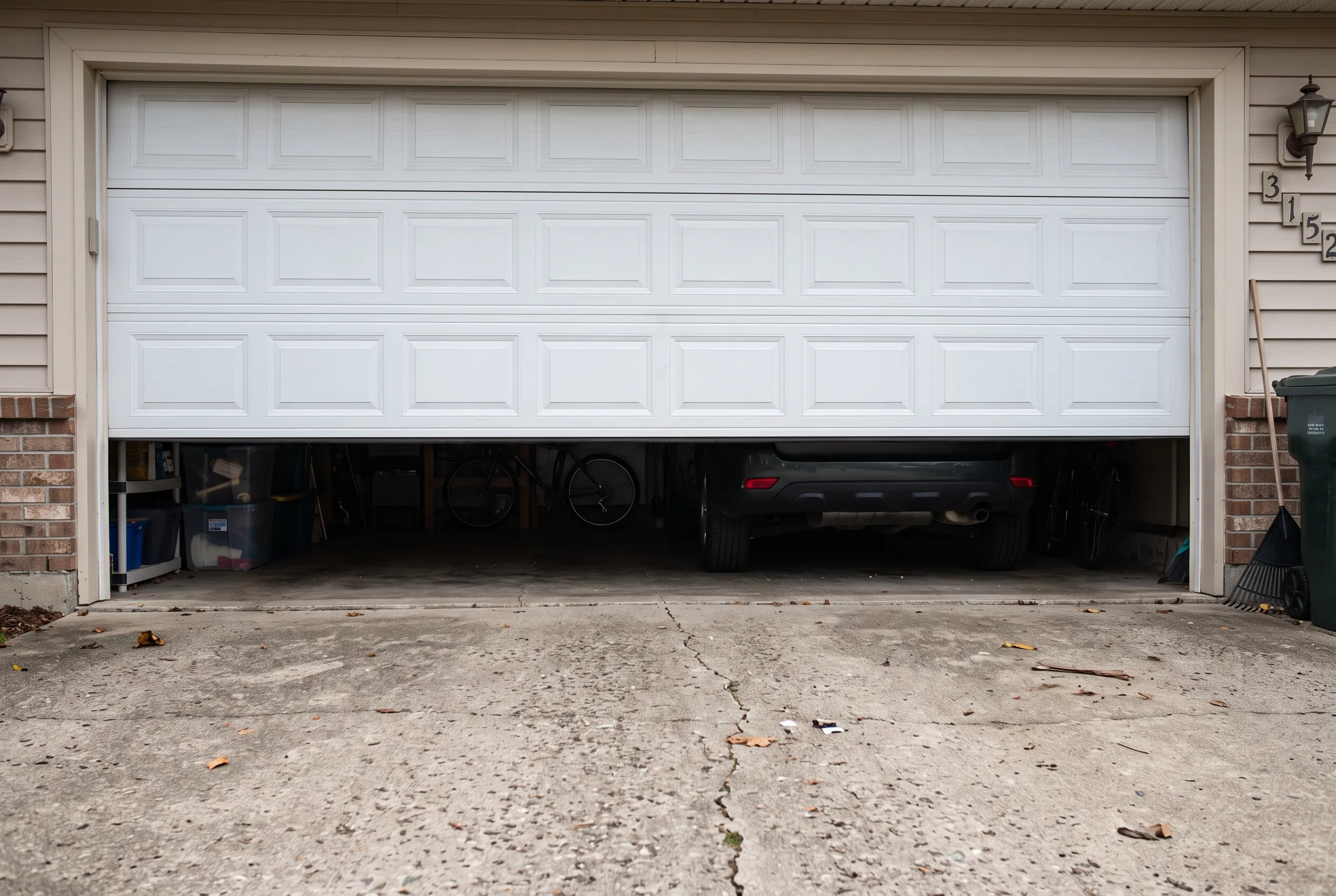
Six specific habits, followed consistently throughout the year, prevent most of the common causes behind a garage door shake.
Habit | How Often | What It Prevents |
Seasonal lubrication | Every 3 months | Friction, dryness, and early roller wear |
Temperature protection | Twice a year | Grease breakdown and metal expansion issues |
Hardware checks | Quarterly | Loose bolts, screws, and hinge play |
Roller and cable checks | Monthly | Undetected wear leading to sudden failure |
Track cleaning | Every 2 to 3 months | Friction from dirt, dust, and debris buildup |
Professional tune-up | Once a year | Issues a homeowner routine typically misses |
Following even a few of these habits consistently reduces the odds of a shaking garage door developing in the first place.
Setting a Seasonal Lubrication Schedule
Lubricant breaks down at different rates by season, so a fixed schedule keeps rollers, hinges, and the torsion spring properly coated year-round.
A seasonal approach covers the details that matter most:
- Applying fresh lubricant at the start of each season rather than waiting for signs of wear
- Using a silicone- or lithium-based product suited to garage door parts specifically
- Covering rollers, hinges, and spring coils in the same session for consistency
- Wiping away excess lubricant so it does not attract dirt and grit
- Checking for dryness sooner in extreme heat or cold, since both accelerate breakdown
A lubrication schedule tied to the calendar removes the guesswork of waiting for a shaky door to show up first, especially during seasonal transitions.
Protecting the Door From Temperature Swings
Temperature swings affect nearly every moving part of a garage door system, from the stiffness of old grease to the way metal expands and contracts.
A few specific precautions reduce this seasonal strain:
- Switching to a lubricant rated for the local climate rather than a generic all-purpose product
- Checking spring tension more closely at the start of winter and summer
- Watching for track brackets that shift slightly as metal expands in heat
- Inspecting weatherstripping for gaps that let temperature extremes reach internal parts
- Scheduling an inspection right before the season most likely to cause issues
To understand exactly how temperature-related wear contributes to a garage door shake, read our guide on Why Does My Garage Door Shake When Closing?, which breaks down every possible cause in detail.
Scheduling Regular Hardware Checks
Loose bolts and screws rarely announce themselves clearly, so a fixed schedule catches the problem before it produces a noticeable door jerk.
A quarterly check covers the points that loosen fastest:
- Bolts along the full length of the garage door track
- Hinge bolts connecting each of the door panels
- Mounting brackets where the track meets the garage frame
- Screws holding the garage door opener motor housing in place
- Any hardware that required tightening during the previous check
To walk through the exact steps for tightening hardware found loose during one of these checks, read our guide on Easy Fixes for a Garage Door That Shakes When Closing, which covers the tools and process in detail.
Watching for Early Signs of Roller or Cable Wear
Roller wear and cable fraying develop gradually, so regular visual checks find these issues while they are still minor.
A short visual check reveals most early warning signs:
- Flat spots forming on the roller surface before the roller stops turning smoothly
- Rust spots appearing on cable strands before a full fray develops
- Uneven movement between the two cables during a manual test
- Ball bearings inside a roller that feel gritty rather than smooth when spun by hand
- Any change in sound during the cycle compared to previous checks
To tell exactly when this kind of wear has moved past a routine check and needs professional repair, read our guide on When Does a Shaking Garage Door Need Professional Repair?, which breaks down the full range of warning signs in detail.
Keeping the Track Clear of Dirt and Debris
Dirt, dust, and grime buildup inside the garage door track create friction that mimics the same symptoms as worn hardware or dry rollers.
A simple cleaning routine handles most of what accumulates:
- Wiping down the track with a dry cloth every few months
- Removing visible dirt and grit before applying fresh lubricant
- Checking corners and low points where debris tends to collect
- Clearing spider webs and dust that build up during warmer months
- Confirming smooth operation with a full test cycle after cleaning
Scheduling a garage door repair visit makes sense if regular cleaning and fresh lubricant still do not clear up the friction completely.
Booking a Yearly Professional Tune-Up
Trained technicians find wear patterns and early signs of trouble that a homeowner routine often overlooks during the year.
A yearly tune-up typically includes these checks:
- A full balance test on the door and garage door spring tension
- Inspection of cables, pulleys, and the opener motor for wear
- Lubrication of every moving part using professional-grade products
- Confirmation that safety sensors and auto-reverse features work correctly
- A written summary of any parts nearing the end of their expected lifespan
One yearly visit scheduled like this typically finds issues well before they cause a fully noticeable shaking problem to develop.
Building a Simple Maintenance Schedule
Building these six habits into an actual schedule makes them far easier to follow throughout the year without relying on memory alone.
A basic calendar-based approach works well for most households:
- Marking lubrication and track cleaning on a recurring quarterly reminder
- Setting a monthly reminder for a quick roller and cable visual check
- Scheduling the yearly professional tune-up around the same month each year
- Keeping a simple log of what was checked and when
- Adjusting the schedule slightly for homes in extreme climates
A consistent schedule like this catches most problems long before they ever produce a noticeable shake during regular use.
Prevention Keeps a Garage Door From Shaking

A short list of scheduled habits prevents most of the common causes behind a shaking garage door before they ever produce a noticeable symptom at all. Consistency matters more than complexity, since a simple quarterly routine covers the vast majority of what causes shaking over time.
Royale Garage Door Service helps homeowners across Mission Viejo build a full maintenance routine suited to their specific door, opener, and local climate throughout the year. Contact us or give us a call today, and our technicians will set up a complete schedule that keeps the door running smoothly for the long haul.