Upgrading a garage door can significantly change a home’s function and exterior appearance. Before scheduling garage door installation, several technical and structural factors should be reviewed to avoid performance issues after setup. Proper planning helps ensure smooth operation, long-term durability, and full compliance with manufacturer requirements.
Many homeowners overlook necessary site conditions, hardware compatibility, and access requirements that directly affect how a new door performs. Understanding these factors in advance allows for a smoother project timeline, fewer complications, and better long-term results. Evaluating these details early also supports accurate service coordination and dependable outcomes.
Essential Factors Homeowners May Overlook Before Installing a New Garage Door
Planning for a new garage door often begins with design and color preferences. Technical and regulatory requirements also demand careful attention. Ignoring measurements, structural limits, and municipal regulations may lead to scheduling delays and unexpected complications.
Clear preparation supports accurate decision-making and long-term performance. Professional services guide property owners through regulatory and technical requirements to ensure site conditions align with installation standards. Key technical considerations that influence installation success are outlined below.
Evaluating Garage Door Measurements for a Proper Fit
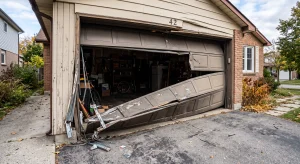
An incorrect opening size remains one of the most common installation issues. Even minor measurement errors can lead to operational problems, alignment issues, and reduced energy efficiency. Accurate width and height measurements of the opening are required, along with complete verification of the headroom above the opening and the side clearance on both sides of the frame.
Proper measurements confirm compatibility between the door system and track configuration. While self-measurement is possible, minor inaccuracies often lead to major installation complications. A professional evaluation using calibrated tools ensures all structural limits are properly accounted for.
Qualified inspection teams assess irregular wall framing, ceiling obstructions, and structural variations. Proper verification supports smooth operation, long-term durability, and sustained energy performance.
Understanding Local Building Codes and Regulations in Mission Viejo
Mission Viejo’s municipal codes establish minimum safety and structural standards for residential construction projects. Requirements often address wind load resistance, fire safety ratings, structural anchoring, and mechanical operation standards.
Installers familiar with local regulations handle permitting and compliance verification correctly. Regulatory alignment prevents inspection delays and future modification requirements. Precise coordination regarding code adherence remains a required step before scheduling installation activity.
General categories commonly regulated by city ordinances include:
- Structural attachment and framing requirements
- Wind and pressure load ratings
- Fire and safety compliance standards
- Mechanical operating system clearances
- Electrical safety integration guidelines
Failure to follow local standards may result in operational restrictions, failed inspections, or removal orders.
For additional insight into how improper measurements can impact installation outcomes, review our blog “What Problems Can Happen Without a Professional Garage Door Measurement?” which explains key risks and technical concerns in greater detail.
Visit the California Building Standards Code for statewide requirements on residential construction, structural standards, and safety compliance.
| Regulation Area | Why It Matters |
| Wind Load Requirements | Ensures the door withstands high winds common in certain regions. |
| Fire Safety Ratings | Required for attached garages to prevent the spread of fire. |
| Material & Glazing Specs | Dictates the types of materials and windows allowed for safety and energy efficiency. |
Choosing the Ideal Garage Door Style for Your Home
After technical requirements are addressed, attention often shifts to visual design. A garage door strongly influences exterior presentation and property appeal. Style selection should align with architectural character while supporting functional expectations. Design preferences, insulation performance, and window placement all contribute to long-term satisfaction. A balanced approach between appearance and performance supports both aesthetic impact and daily operation.
Coordinating Garage Door Design With Your Home’s Architecture and Curb Appeal
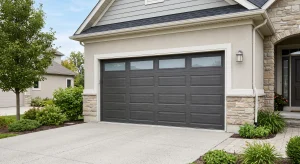
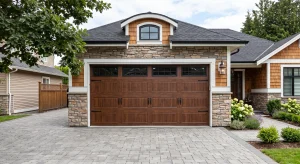
Garage door design should align with the home’s architectural style for a consistent exterior appearance. Traditional homes often match well with carriage-style doors and classic panel designs. Modern homes typically benefit from flat panels and clean lines. Exterior colors, wall materials, and structural lines guide proper style coordination and visual balance.
Curb appeal involves more than surface appearance. A garage door that blends with surrounding exterior features strengthens the overall property presentation. Key elements that affect visual harmony include:
- Panel layout and alignment
- Glass placement
- Decorative hardware
- Proportion with windows and entry features
When these elements are visually consistent, the exterior appears more organized and refined.
Selecting Materials and Overhead Doors Suitable for the Local Climate
Material selection directly affects durability, finish stability, and maintenance demands. In Mission Viejo, exposure to sunlight and temperature variations requires materials that maintain long-term structural performance. Steel remains widely selected for its strength and surface reliability under regional conditions.
Insulation also affects indoor comfort and energy efficiency. Insulated doors help maintain stable garage temperatures and limit thermal transfer into adjacent living areas. Effective perimeter sealing further reduces dust infiltration and environmental exposure.
Common material categories and performance characteristics include:
- Steel: High structural strength with minimal surface care requirements
- Wood: Traditional visual appeal with ongoing surface maintenance needs
- Aluminum: Lightweight construction with resistance to moisture exposure
- Fiberglass: Simulated wood appearance with dent resistance and low upkeep
Material selection should balance environmental exposure, structural demands, and visual expectations to support long-term service reliability.
For additional guidance on selecting designs that align with property layout and performance needs, visit our blog “How Do You Know Which Garage Door Style or Material Fits Your Home Best?” for expanded insight on design compatibility and material performance considerations.
Electrical Readiness and Opener Compatibility
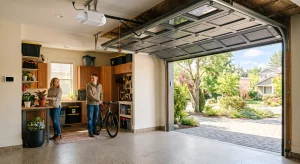
Proper electrical preparation and system compatibility are required for the reliable performance of garage door openers. Power capacity, mounting clearance, and control system alignment must be verified before installation to support safe operation and long-term reliability. Outlet placement, voltage supply, and circuit load should align with the selected opener system to avoid operational issues.
Key Electrical and Compatibility Requirements
- Dedicated power outlet positioned near the opener mounting area
- Sufficient voltage supply and circuit capacity for the selected opener type
- Verified ceiling height and side clearance for accurate rail alignment
- Structurally sound mounting surface for secure attachment
- Defined low-voltage wiring paths for wall controls and safety sensors
- System compatibility with smart access and security features
Ceiling height, storage obstructions, and mounting surface conditions directly affect the positioning and operational stability of the opener. Smart access integration and safety sensor functionality rely on correctly planned low-voltage wiring routes to maintain consistent signal performance and safety compliance.
For additional insight into installation planning, refer to our blog “What Should You Decide First Before Installing a New Garage Door?” for guidance on avoiding common setup complications.
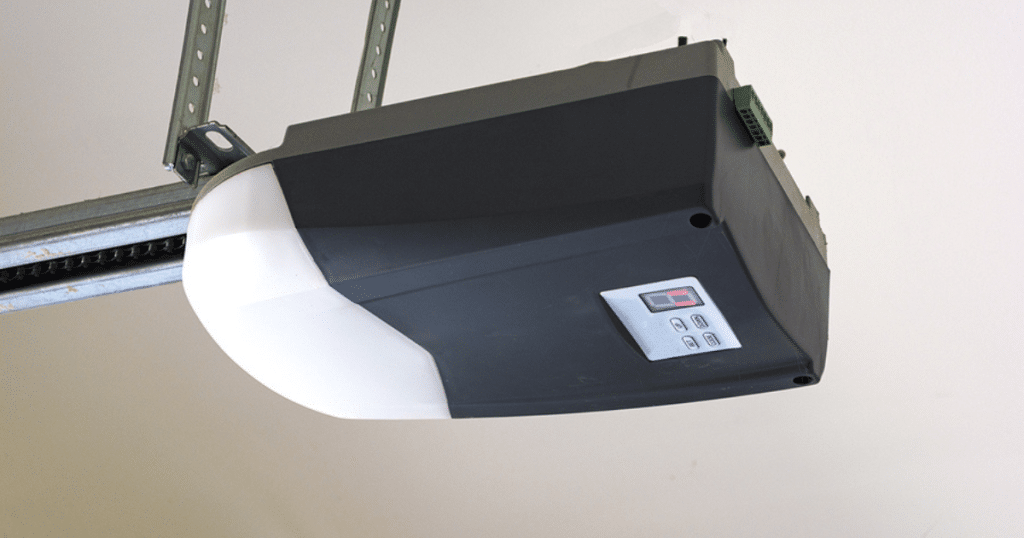
Structural Framing and Ceiling Support Conditions
Structural framing around the garage opening must withstand door weight, track forces, and torsional loading. Deficient framing, surface irregularities, and material deterioration interfere with alignment accuracy and long-term mechanical stability. A detailed structural review supports reliable performance and reduces stress on connected components.
Critical Structural Conditions to Review
- Header beam load capacity above the garage opening
- Side jamb integrity for secure vertical track attachment
- Wall surface flatness required for precise track alignment
- Overhead joist strength for torsion system anchoring
- Ceiling mounting points for opener and support brackets
- Evidence of wood deterioration, cracking, or moisture impact
Ceiling support structures are required for the secure anchoring of torsion components and opener assemblies. Verifying framing integrity and overhead support capacity before installation reduces operational strain and limits early component wear tied to structural movement.
For framing performance and connection standards, visit the APA Structural Framing Connections guide.
A professional garage door installation involves more than surface design. It supports energy efficiency, reliable performance, and long-term satisfaction with the completed project. Working with established garage door companies ensures accurate recommendations aligned with property requirements. The result is improved exterior presentation and measurable curb appeal. Clear communication and responsive service contribute to an efficient installation experience. Choosing a professional installation supports lasting value and dependable operation for years to come.
Royale Garage Door Service delivers dependable garage door installation backed by industry experience and a commitment to consistent results. Our team focuses on precise workmanship, responsive communication, and solutions aligned with long-term performance. We take pride in supporting property upgrades that enhance both function and exterior presentation. Contact us today or call to schedule a professional consultation with our team. Let us help you move forward with a trusted garage door installation solution.