Proper measurement is the first technical step in any garage door project and directly affects system performance, alignment, and long term reliability. Many homeowners focus on appearance before confirming the correct opening dimensions, increasing the risk of operational failure. Incorrect width or height data can lead to improper door sizing, uneven track alignment, and strain on supporting hardware, including garage door openers.
Even a small measurement error can cause ongoing mechanical stress, restricted travel, and accelerated component wear. A door that does not match the exact opening dimensions may create safety concerns and reduce overall system stability. Professional measurement ensures a precise fit, smooth movement, and proper balance, supporting reliable daily operation and long-term structural performance.
Importance of Accurate Garage Door Measurements
Accurate garage door measurements form the technical foundation of a successful installation. Even openings labeled as standard often vary due to framing conditions, flooring changes, or structural adjustments. A professional evaluation reviews width, height, headroom, and side clearance to confirm compatibility with the selected door system. Proper sizing improves weather sealing, limits air transfer, and supports consistent indoor comfort while protecting surrounding building materials from exposure.
Selecting a local garage door installer with verified experience and positive reviews adds another layer of reliability. A qualified company confirms licensing and insurance and performs a full dimensional assessment before any installation planning begins. When measurements are handled correctly from the start, system performance remains stable and long-term service needs remain controlled. Skipping professional evaluation often leads to alignment issues, operational strain, and avoidable project disruption.
For a broader installation planning guide, refer to our blog “What Homeowners Often Overlook Before Scheduling a Garage Door Installation” for additional insight into preparation steps that support long-term, successful performance.
How Precise Measurements Affect Installation Success
Successful garage door installation depends on more than basic width and height figures. A professional team evaluates headroom above the opening, backroom depth inside the garage, side clearances, and structural obstructions. These details determine track configuration, opener compatibility, and load distribution across key components such as garage door springs.
Even a minor measurement error can result in door binding, uneven travel, or improper panel alignment. Excess strain on mechanical parts leads to early performance decline and higher long-term service demands. When installation measurements are verified correctly, the door operates smoothly, safety systems respond as intended, and overall structural balance remains intact.
For added guidance on selecting the right design and construction for a residence, explore our article “How Do You Know Which Garage Door Style or Material Fits Your Home Best?” for practical insight before finalizing any selection.
Why Measurements Matter for Different Garage Door Styles
Every garage door style requires a specific clearance profile based on design, weight, and operation method. Relying on assumed sizing rather than precise evaluation often results in dimensional conflicts that affect performance and longevity. A professional assessment accounts for door material, operational arc, and internal track routing.
Common clearance requirements by style include:
- Carriage House Doors: Outward-swing doors require additional front and side clearance to avoid obstruction.
- Roll-Up Doors: Coiling design requires sufficient headroom, which varies by door height and material thickness.
- Sectional Doors: Horizontal track travel requires defined backroom depth and overhead clearance for stable movement.
Structural elements such as low beams, uneven flooring, or interior obstructions often go unnoticed without a professional site review. Proper measurement accounts for these conditions, ensuring each door style fits the opening correctly and functions as designed over extended use.
For more installation planning guidance, explore our article “What Should You Decide First Before Installing a New Garage Door?” for added insight before moving forward.
Common Problems from Incorrect Garage Door Measurements
Failing to secure accurate professional measurements before installation often leads to fit and performance complications. A garage door that does not align with the opening can create visible gaps, compromise thermal insulation, and compromise structural integrity. Oversized doors may scrape framing components, restrict movement, and place unnecessary strain on tracks and support hardware.
Measurement inaccuracy also increases the likelihood of accelerated component wear. Excessive force applied to rollers, tracks, and openers causes operational stress across the entire system. These conditions frequently result in system failures that later require garage door repair to restore proper function
Issues with Overhead Doors and Day-to-Day Operation
Improperly sized overhead doors often create immediate functional disruptions. Doors that exceed the width tolerance may contact jamb surfaces during movement. Insufficient headroom clearance prevents full vertical travel and increases the chance of mid-cycle obstruction. These conditions interfere with smooth daily operation and compromise long-term reliability.
Common operational indicators associated with incorrect measurements include the following:
- Unusual Sounds: Grinding, scraping, or popping during operation often signal misalignment and elevated mechanical stress.
- Sticking or Jamming: Interrupted movement during opening or closing may cause the door to travel unexpectedly.
- Uneven Movement: Inconsistent vertical travel and track instability are frequently caused by improper sizing.
- Safety Sensor Failure: Misalignment can interfere with sensor positioning and automatic reversal response. Learn more about garage door safety standards to understand the importance of functional sensors.
Ongoing operation under these conditions accelerates mechanical wear and increases the risk of sudden system failure. Accurate professional measurement before installation remains essential to support consistent door travel, safe performance, and long-term system durability.
Challenges in Garage Door Repair and Necessary Adjustments
Improper measurement creates complications that extend into future service and system adjustments. When repair technicians evaluate malfunctioning systems, standardized component sizing is expected. If the original installation was based on inaccurate measurements, parts such as tracks, cables, and rollers may fail to align correctly. Misalignment places uneven stress on these components, shortening their service life.
Uneven stress often causes rollers to wear faster on one side and cables to fray due to improper tension distribution. System diagnosis also becomes more complex because multiple parts may display related stress damage. Simple service tasks, such as spring replacement, can become extended repair procedures due to underlying size defects. The opener system must also operate under greater resistance, which accelerates internal wear when the door cannot travel smoothly within the opening.
Many installation providers also support service and long-term maintenance. However, when sizing errors exist from the beginning, correcting them requires extensive labor and additional system recalibration. These challenges reinforce the importance of precise measurement as a foundation for reliable garage door performance.
Taking proper measurements helps ensure compliance with building codes and general safety standards. Check out the International Residential Code for related structural guidelines.
How Professional Measurement Ensures the Right Fit
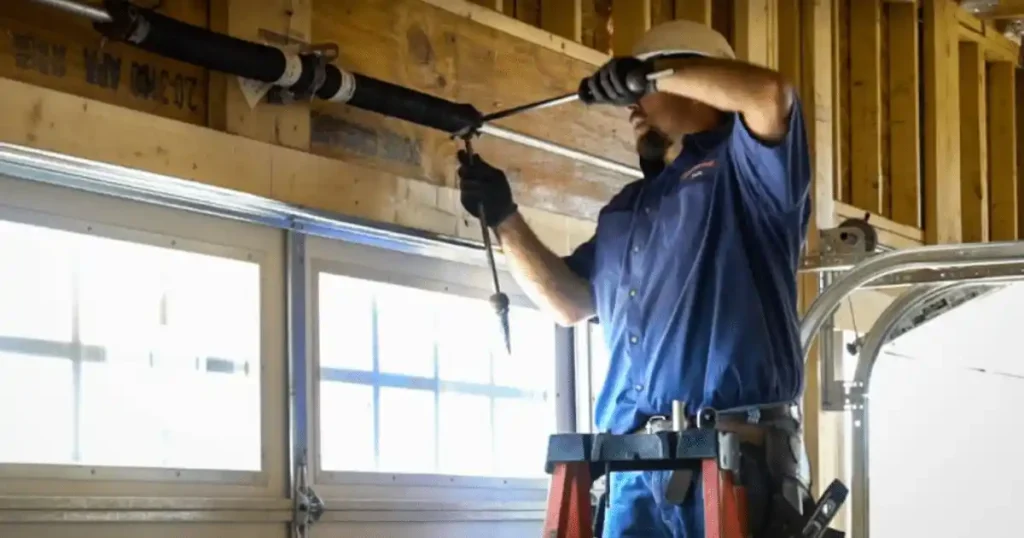
Professional garage door measurements create the foundation for a precise fit, dependable operation, and long-term system stability. Trained specialists measure width, height, headroom, and side clearance using calibrated tools to ensure every dimension supports proper door function. Accurate documentation at the start helps prevent framing conflicts, track obstruction, and unnecessary strain on hardware during installation.
Relying on a professional also strengthens project confidence. Each dimension influences hardware placement, track configuration, and opener alignment. Early verification reduces uncertainty and supports a smooth schedule from initial planning through final testing.
Complete Dimensional Assessment
A complete assessment confirms that the selected garage door will operate without obstruction. Professionals check essential clearances such as:
- Opening width and height, to match the fabrication accurately
- Headroom and side space for track and spring placement
- Backroom depth, to ensure full upward travel
These measurements help prevent scraping, restricted movement, and long-term alignment strain.
Structural and Load Condition Review
Specialists review framing strength, header stability, and surface conditions to ensure the structure can support the selected door. Heavier doors and specialty materials require strong mounting points and balanced support. Proper assessment ensures that components remain stable and aligned through repeated daily cycles.
Hardware and Track Compatibility Planning
Accurate measurement shapes the placement of tracks, springs, and the opener system. Correct clearances support smooth travel and reduce mechanical stress. Planning based on verified dimensions helps maintain balanced tension, straight track alignment, and consistent door movement.
Installation Accuracy and Scheduling Stability
Verified measurements minimize delays caused by incorrect sizing and reorders. Fabrication proceeds based on confirmed dimensions, creating an efficient installation process. This reduces unexpected adjustments and helps crews complete the project without interruption.
Long-Term System Reliability
Doors fitted with precise professional measurements operate more smoothly, experience less vibration, and maintain balanced tension across all lifting components. Accurate alignment reduces uneven wear and supports longer service life. Professional measurement remains one of the most essential steps in achieving reliable, consistent garage door performance.
Accurate garage door measurements support proper installation, steady operation, and long-term system performance. Precise sizing helps maintain smooth door movement and reduces the risk of recurring service concerns. Professional measurement supports alignment, hardware compatibility, and balanced operation. Reviewing design style with exact dimensions before final selection improves overall project results. Professional measurement supports dependable performance and lasting reliability.
Royale Garage Door Service delivers professional garage door installation, measurement, and service support with a focus on precision and long-term system reliability. Each project receives structured planning and verified dimensional assessment to support accurate fit and steady operation. Ongoing service support remains available after installation for continued system performance. Contact us today to schedule a professional measurement or call now to request service support.