Sudden damage from storms, break-ins, and vehicle impacts usually qualifies for homeowners insurance coverage, while normal wear and tear is typically excluded. Policy language and the deductible determine whether a garage door repair claim pays out, and a written estimate helps confirm the numbers.
Insurers also expect documentation of the damage, including dated photos and a written estimate that names the failed part, before approving any claim payment. This guide explains which events insurers typically cover, how exclusions and deductibles work, and how to file a claim with the right paperwork.
Key Takeaways
- Sudden damage from storms, theft, and impact usually qualifies for coverage
- Wear and tear on springs, rollers, and cables stays excluded
- Deductibles often exceed the price of a minor repair
- Dated photos and a written estimate strengthen every claim
- Contacting the insurer before approving repairs protects the claim
Garage Door Damage Covered by Homeowners Insurance
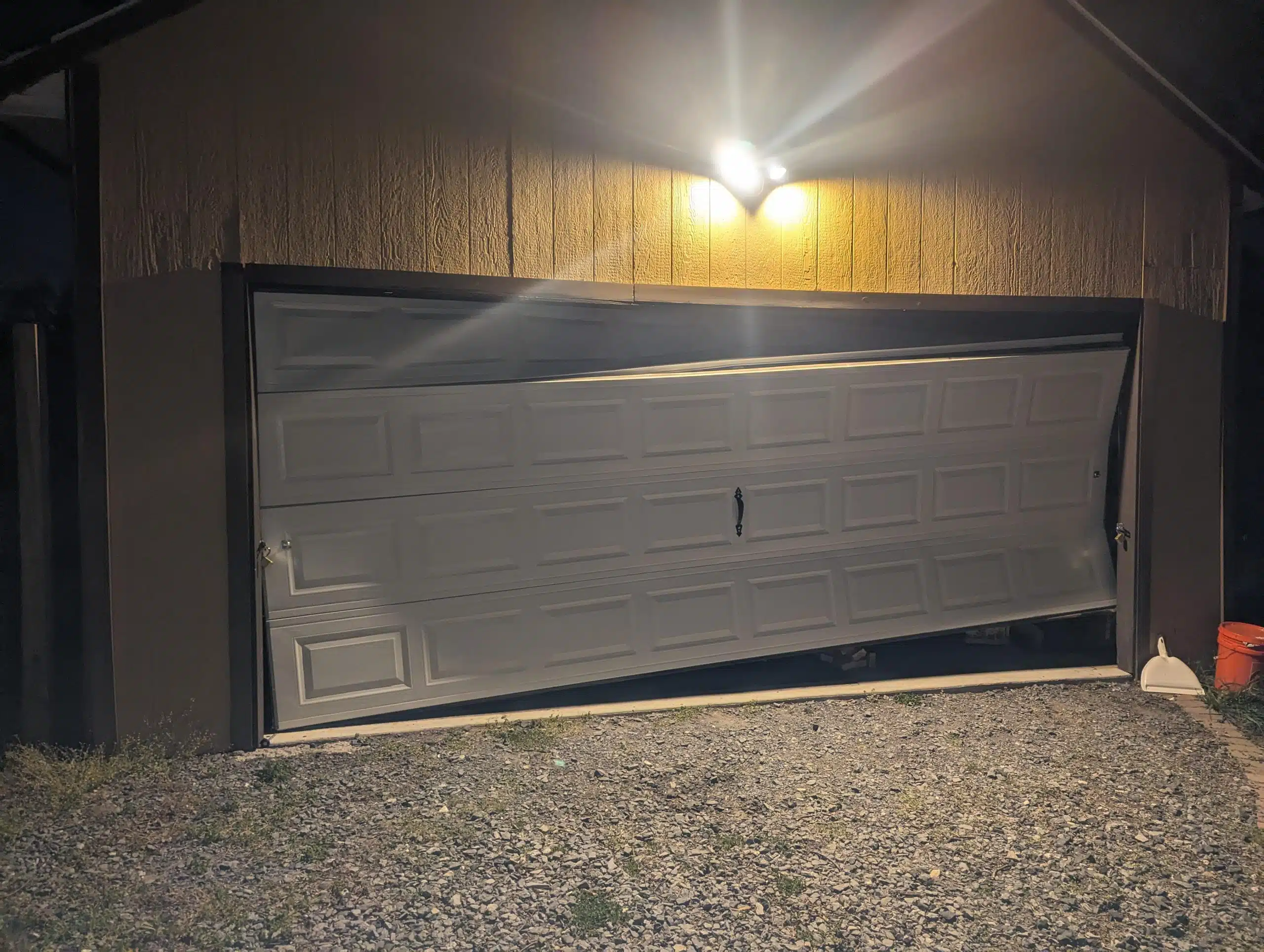
Coverage varies by policy and insurer, and the situations below show how insurers typically handle garage door damage claims.
Damage Situation | Coverage Details | Supporting Documents |
Storm and Wind Damage | Policies generally pay for sudden damage from named perils such as wind or hail | Dated photos and a written repair estimate |
Vehicle Impact Damage | A homeowners policy may respond, and an auto policy sometimes pays instead | Incident details and the written repair estimate |
Theft and Vandalism | Forced entry and deliberate damage usually fall under covered perils | Police report and photos of forced entry |
Power Surge and Opener Damage | Payment depends on whether the policy lists electrical surge as a covered peril | Technician report naming the cause of the failure |
Wear and Tear | Age-related failure of springs, rollers, and cables stays excluded | Service records showing gradual wear |
Repair Below the Deductible | The repair cost falls under the deductible, so the insurer pays nothing | Written estimate compared against the deductible |
Sudden, accidental events tend to qualify for payment, while gradual deterioration on an old door falls outside coverage under nearly every standard policy.
Storm and Wind Damage
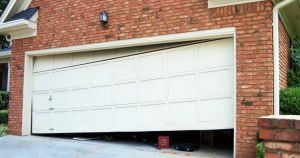
Storms bring high winds, hail, and fallen branches that can bend tracks, dent panels, and leave a residential garage door hanging off its rollers.
Insurers usually look for these signs of a covered storm loss:
- Dents or cracks in door panels, including wood doors, from hail or debris
- Bent or dislodged tracks after a heavy wind event
- Impact marks from fallen branches or tree limbs
- Glass garage doors or glass panels shattered during the storm
- Damage tied to a specific weather event on record
To decide between fixing storm damage and installing a new garage door, read our guide on Is Door Repair or Replacement Cheaper in Mission Viejo, CA?, which compares total cost, energy bills, and long-term value.
Vehicle Impact Damage
Backing a car into a door or clipping a track ranks among the frequent causes of claims, and the policy that responds depends on the driver.
Claim handling for impact damage depends on the following points:
- Whether the driver belongs to the household or is a visitor
- Home policy coverage applying to the structure of the door
- Auto coverage sometimes paying in place of the home policy
- Track repair, new tracks, or full track replacement after a hard hit
- Photos of the vehicle position taken before anything moves
To estimate how the scope of impact damage affects the final price, read our guide on What Affects Garage Door Repair Cost in Mission Viejo, CA?, which explains size, material, labor, and emergency service charges.
Theft and Vandalism
Forced entry and deliberate damage usually fall under covered perils, and a pried or dented section is often the first evidence an insurer reviews.
Documentation for a break-in claim generally includes these items:
- Police report filed before any repair work begins
- Photos of forced entry marks on panels and locks
- Written estimate naming each damaged component
- Receipts showing the age and type of door installed
- Notes on any items taken from the garage
Break-in claims move forward on the written estimate, and garage door panel repair can begin after the insurer approves the work.
Power Surge and Opener Damage
Electrical surges can burn out the circuit board in an automatic opener, and coverage depends on how the policy treats electrical surge.
Policies differ on surge claims, so the details below deserve a close check:
- Wording on electrical surge within the covered perils list
- Technician report naming the surge as the cause of failure
- Age of the opener, which can affect how much an insurer pays
- Safety sensors and wiring damaged along with the motor
- Separate coverage for appliances or electronics, if any
Fried motor boards usually require installing a new garage door opener, and the technician’s report naming the surge supports the claim.
Wear and Tear Exclusions
Springs, rollers, cables, and hinges on an old garage door wear out through normal cycles, and insurers classify that gradual failure as maintenance.
Typical wear items that policies exclude include the following:
- Torsion springs holding heavy pounds of tension reaching their cycle limit
- Rollers flattened or cracked by years of use
- Garage door cable frayed from repeated friction against the drum
- Rust and corrosion on tracks, hinges, and hardware of an old door
- Loose or stripped fasteners from constant vibration
Worn torsion spring coils that finally snap fall outside standard coverage, so homeowners pay for garage door spring repair directly.
Deductibles and Claim Costs
Paying the deductible first means a minor repair often costs less than that threshold and never reaches the insurer, even when the average job cost seems high.
Weighing a claim against a repair price involves a few questions:
- Does the total cost on the written estimate exceed the policy deductible?
- Would a claim affect renewal terms or future premiums?
- Is the damage from a covered event or from gradual wear?
- Does the garage door service quote list parts and labor costs separately?
- Which repair costs are covered and which aren’t?
To judge whether a repair price clears the policy deductible before filing a claim, read our guide on How Much Does Garage Door Repair Cost in Mission Viejo, CA?, which covers springs, cables, tracks, and opener pricing.
Steps to File a Garage Door Insurance Claim
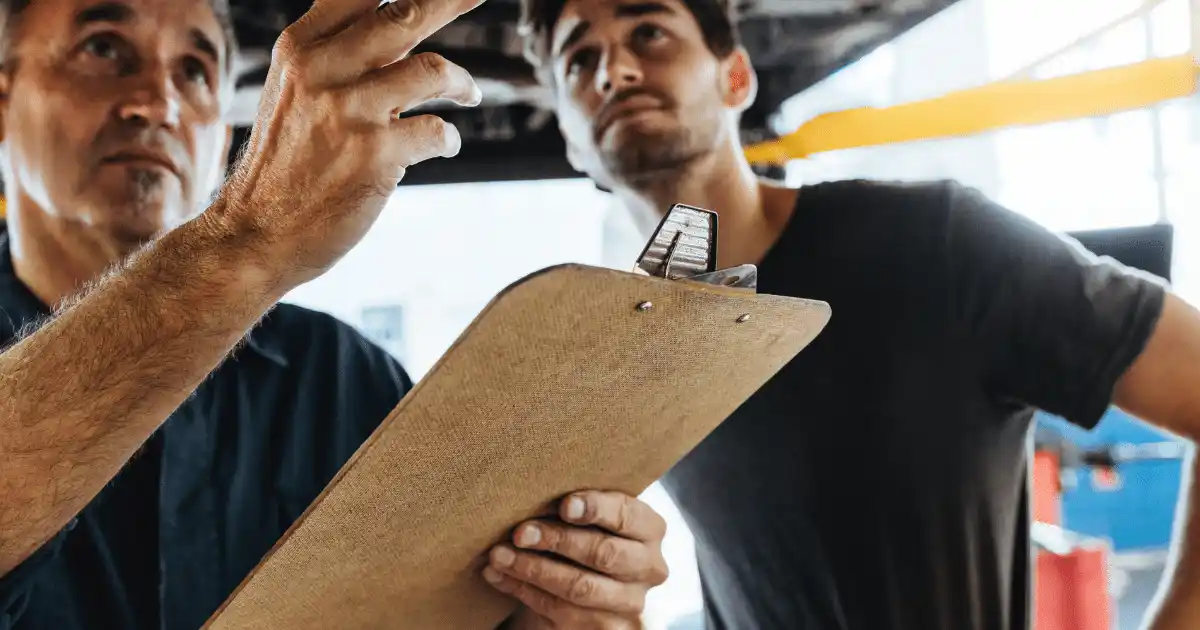
Filing a claim goes more smoothly when you handle documentation, policy review, and insurer contact in a sensible order before any repair work begins.
Following a set order keeps the claim organized from start to finish:
- Photograph all damage from several angles before touching anything
- Review the policy for covered perils and the deductible amount
- Book a quick service call for a written estimate naming the failed parts
- Contact the insurer before approving any repair work
- Keep receipts, reports, and correspondence in one folder
Completing these steps in order gives the insurer what it needs to evaluate the claim and lets you schedule repairs with confidence.
Insurance Pays for Sudden Damage and Excludes Wear and Tear
Sudden, covered events such as storms, break-ins, and vehicle impact qualify for payment, while gradual wear from age remains excluded. Policy wording, the deductible, and the documentation on file decide the outcome of any claim, so verifying all three with the insurer comes first.
Royale Garage Door Service Inc. prepares a written estimate naming the damaged part and the exact repair for Mission Viejo, CA customers weighing an insurance claim. Contact us or give us a call today, and our technicians will inspect the damage and provide the written estimate needed to start the claim.