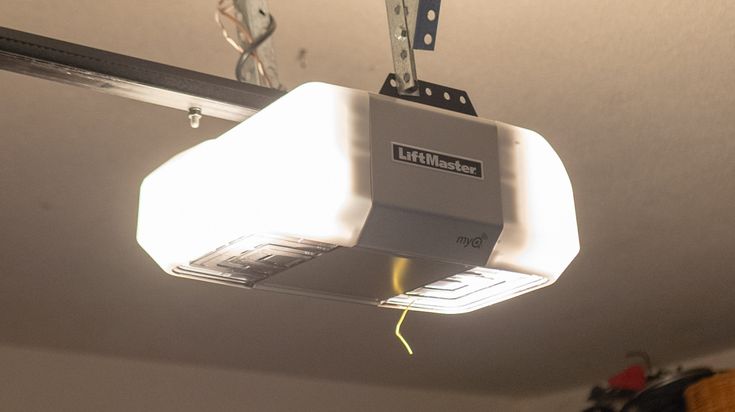
When a LiftMaster garage door opener beeps and the door starts acting differently, treat it as a warning, not just an annoying sound. In Mission Viejo, CA, I regularly meet homeowners who keep cycling the door because it “still kind of works.” That habit can turn a small sensor issue or mild track drag into a bigger failure like a damaged drive system, a door that jams halfway, or a safety reversal problem that keeps getting worse.
Quick Answer
Beeping by itself is often a notification, such as a battery backup reminder, a smart feature alert, or a maintenance prompt.
Beeping paired with any of the issues below should be treated as a red flag:
- The door starts closing, then reverses repeatedly
- The door shakes, jerks, or shudders while moving
- You hear grinding, scraping, or a loud bang from the door system
- The door feels heavy or seems harder for the opener to lift
- The door stops short, then reopens, especially near the floor
- The opener runs, but the door barely moves or does not move
- You notice overheating, a burning smell, or unusual heat near the opener
If the sound and movement change at the same time, read Why Is My LiftMaster Garage Door Opener Beeping? to confirm the most common root causes before you keep testing the door.
Why Beeping With Door Issues Matters
LiftMaster openers are built with safety monitoring. They watch:
- Sensor input from the photo eyes near the floor
- Resistance during travel, especially during closing
- Travel behavior, such as stopping where the opener expects
- Fault behavior like repeated reversals or unexpected stops
When something is wrong, the opener may beep because it is detecting conditions that can create damage or a safety risk if you keep forcing cycles. In Mission Viejo, these problems often occur after power flickers, during warmer afternoons, or when dust and garage storage clutter affect sensor reliability.
A practical rule from the field:
- Beeping plus normal door movement often equals “notification.”
- Beeping plus abnormal door movement often equals “warning.”
The Most Common Movement Problems And What They Signal
Below is a clear breakdown of what each symptom typically points to, what you can check safely from the floor, and why repeated cycling can escalate the damage and lead to more involved garage door repair.
The Door Starts Down, Then Reverses And Reopens
What it signals:
This is commonly tied to one of these categories:
- Photo eye sensors are not seeing each other consistently
- Resistance during closing, which the opener interprets as an obstruction
- Travel monitoring detects an abnormal stop or bounce at the floor
Safe checks you can do:
- Wipe both sensor lenses with a microfiber cloth.
- Make sure nothing is stored close to the sensor beam path.
- Confirm both sensor brackets are solid and not loose.
- Check the floor area near the threshold for small objects.
Why you should not keep cycling:
If the opener is reversing as a protective response, repeating cycles can strain the motor and worsen the underlying cause. If reversal happens at the same spot every time, that is usually a clue that the issue is consistent, not random.
The Door Shakes Or Jerks While Moving
What it signals:
Shaking usually points to friction or instability in the door system, such as:
- Worn rollers that bind in the track
- Track alignment drifting
- Loose hinges or mounting points
- Door balance problems that make the opener fight the door
Safe checks you can do:
- Watch where the shaking begins (top, middle, or near the floor).
- Inspect tracks for visible bends or dents.
- Look for a roller that appears tilted, uneven, or out of line.
- Listen for clicking or popping that repeats at the same point.
Why it matters:
A shaking door can jump the track or start wearing parts rapidly. The opener is not meant to “force through” a misaligned system. If you keep cycling the door, you can create secondary damage that takes longer to correct.
If the door is shaking, sticking, or behaving inconsistently, The Spruce’s garage door won’t open or close guide breaks down common causes and safe next steps.
Loud Grinding Or Scraping Sounds During Travel
What it signals:
Grinding or scraping almost always indicates friction. Common sources include:
- Track damage or misalignment
- Rollers are wearing down and dragging
- Hinges are shifting and causing the door to rub
- Debris in the track path
Safe checks you can do:
- Look for shiny rub marks along the inside of the track.
- Listen for where the noise starts and stops.
- Check for visible debris in the track area.
- Observe whether the noise is worse during closing than opening.
When to stop using the door:
If grinding is loud and new, stop cycling. Continued use can chew up rollers, damage track sections, and overload the opener.
DASMA outlines why safety reverse features and photo eyes matter and what to do when the door is not behaving normally.

The Door Feels Heavy, Or The Opener Struggles To Lift
What it signals:
A heavy-feeling door is one of the biggest warning signs. It often points to:
- Spring system wear or failure
- Door balance shifting
- Hardware drag that increasesthe load
Safe checks you can do:
- Watch for uneven movement where one side lags.
- Listen for a loud bang you might have missed (a spring break can be loud).
- Notice if the opener strains or slows more than usual at the start of travel.
Why this is serious:
A garage door can weigh well over 100 pounds. Garage door springs are designed to carry most of that load. If the door feels heavy, the opener may be compensating in a way that can damage internal parts and create a safety risk. This is a strong “pause and call” moment.
The Door Stops Short Or Reopens At The Floor
What it signals:
This can happen when:
- The opener detects resistance at the bottom and reverses
- The bottom seal catches on an uneven threshold
- Travel monitoring sees an abnormal stop or bounce
- Sensor issues appear only near the closed position
Safe checks you can do:
- Inspect the floor area and threshold for raised spots or debris.
- Watch whether the bottom seal catches or folds oddly.
- Note that the door reopens only when it touches the ground.
The Opener Runs, But The Door Does Not Move
What it signals:
This often points to:
- The dooris being disengaged from the opener trolley
- Drive components slipping or wearing
- A mechanical disconnect somewhere in the drive path
Safe checks you can do:
- Look at the emergency release rope and confirm the door is still connected.
- Avoid repeated button presses if the motor runs with no door movement.
Why you should stop cycling:
Running the opener when the door is not moving can cause internal wear quickly. It can also confuse troubleshooting because the original problem gets compounded by repeated strain.
Burning Smell, Excessive Heat, Or “Hot Electronics” Odor
What it signals:
This can indicate:
- Motor overload from resistance
- Electrical issues inside the opener
- Overheating components, especially after repeated cycles
Safe checks you can do:
- Stop using the door.
- If safe, unplug the opener to prevent continued strain.
- Note whether the smell seems electrical or like rubber friction.
Why is it urgent:
Heat and smell are not “wait and see” signs. This is when you minimize risk and call an expert.
How To Tell If It Is A Pattern Problem Or A Door Problem
A helpful way to separate “alert pattern” from “door performance” is to focus on what repeats.
- If the beeping style and light behavior are consistent, and the door behavior is inconsistent, it can still be a safety sensor or monitoring issue.
- If the door misbehaves at the same spot each time, think of resistance: track alignment, rollers, bottom seal catching, or door balance.
If you want a pattern-focused guide that explains what different beep styles typically mean, read LiftMaster Beeping Codes Explained: What Each Pattern Means.
What To Do Right Now In Mission Viejo
When beeping pairs with movement problems, the safest approach is simple:
- Stop repeated cycling. One extra test can become five, and that is when damage happens.
- Do a quick visual check of sensors, tracks, and the floor area.
- Observe one controlled cycle if it seems safe, and write down what happens step by step.
- Document what changed like when it started, what it now sounds like, and whether it is getting worse.
If your priority is reducing the beeping noise safely while keeping alerts active, read How to Silence a Beeping LiftMaster Without Missing Alerts.
How To Reduce The Chances Of These Alerts Coming Back
You cannot prevent every alert, but you can lower the odds of being tied to movement issues:
- Keep sensor lenses clean and the sensor area clear of stored items
- Avoid rapid repeated cycles, especially during hotter afternoons
- Watch and listen to one full open and close cycle monthly
- Address new noises early instead of waiting for a bigger failure
- Keep the opener area as dry and ventilated as your garage allows
These habits support longer opener life and more consistent safety sensor performance.
Get Help Fast When The Door Starts Sending Warning Signs
Beeping with movement problems is your opener saying, “Something is not operating within normal safety limits.” If the door reverses repeatedly, shakes, feels heavy, makes grinding sounds, or shows heat and smell signs, the safest move is to stop using it and schedule a professional inspection. Royale Garage Door Service can diagnose the root cause in Mission Viejo and restore safe, reliable operation. Contact us or give us a call to book service before a minor issue turns into a stuck door or a damaged opener.